
As an Amazon Associate, I earn from qualifying purchases.
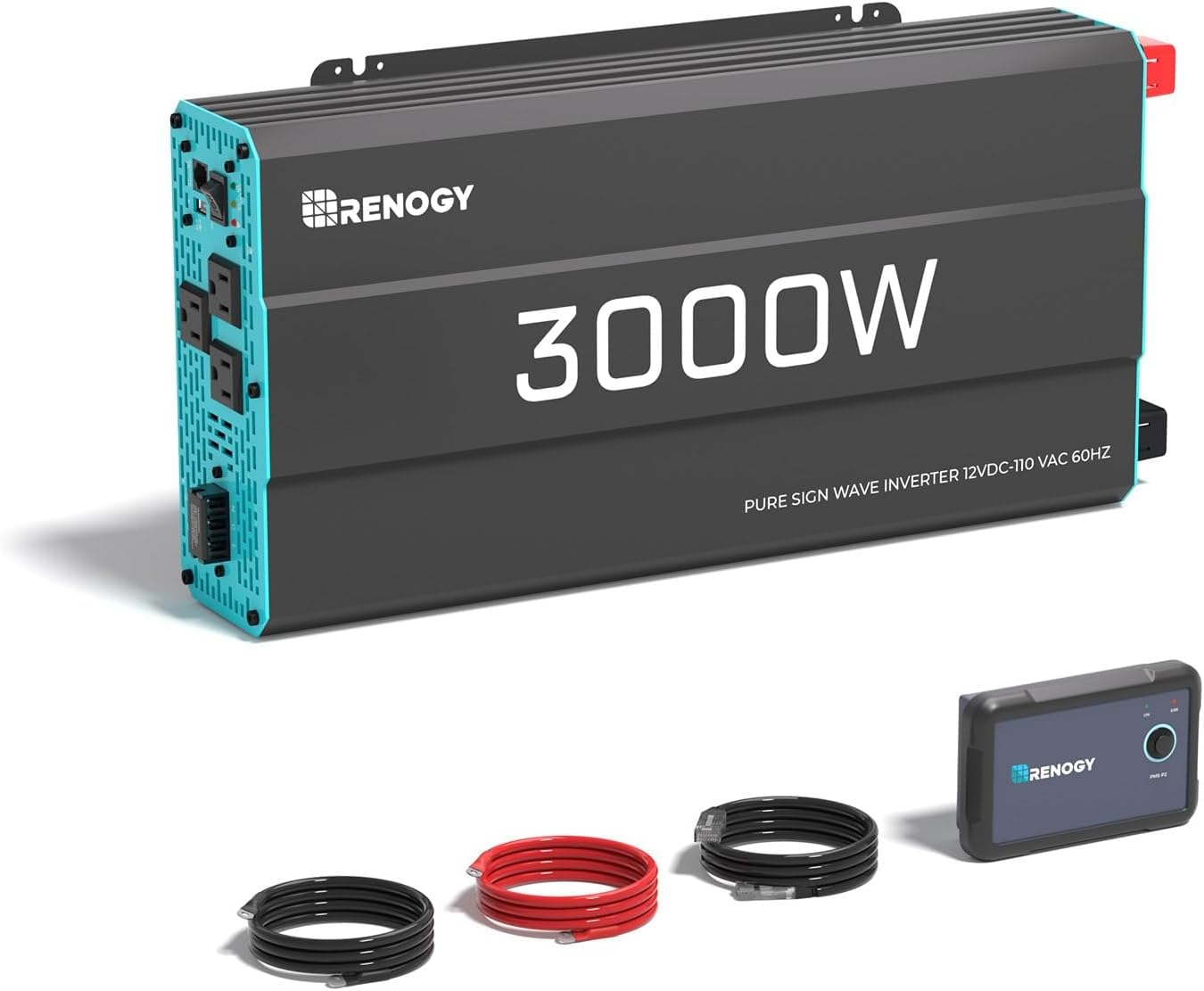
Renogy Pure Sine Wave Inverter Charger Review: The Ultimate Backbone for Emergency Off-Grid Power.
As an Amazon Associate, I earn from qualifying purchases.
Building a reliable off-grid electrical system for a cabin, RV, or home emergency backup setup usually involves an intimidating tangle of wires and separate components. You need an inverter to turn battery power into household AC power, a converter to charge those batteries when you plug into shore power or a generator, and an automatic transfer switch to toggle between the two without frying your electronics. Trying to wire three different components together safely is a massive headache for the average DIYer.
The Renogy Pure Sine Wave Inverter Charger aims to solve that complexity by stuffing all three critical functions into a single, heavy-duty chassis. Renogy is a household name in the mobile solar and off-grid community, known for producing equipment that bridges the gap between cheap, unreliable electronics and ultra-expensive marine-grade gear.
However, relying on a single unit to act as the heart of your entire electrical grid requires immense trust. If the inverter fails, your lights go out. If the charger fails, your expensive lithium battery bank dies. This review strips away the marketing jargon to look at the internal mechanics, the installation realities, and the true capability of this all-in-one Renogy unit when pushed to its limits during an off-grid scenario.
Key Features & Specifications
This machine is a commercial-grade piece of electrical equipment designed for continuous duty. Here is a breakdown of the core functionality:
- 3-in-1 Functionality: Acts as a DC-to-AC pure sine wave inverter, an AC-to-DC multi-stage battery charger, and an automatic transfer switch.
- Pure Sine Wave Output: Delivers clean, smooth electrical current identical to grid power, ensuring sensitive electronics and compressor motors run quietly and coolly.
- Battery Compatibility: Features configurable dip switches to safely charge modern Lithium Iron Phosphate (LiFePO4), AGM, Gel, and traditional Flooded Lead-Acid batteries.
- Surge Capability: Engineered to handle high starting surges (often 2x to 3x the continuous wattage rating) to kick over heavy induction motors like air conditioners and refrigerators.
- Integrated Transfer Switch: Automatically detects when shore power or generator power is connected and instantly shifts the load off the batteries.
- Comprehensive Protections: Built-in safeguards against low voltage, over-voltage, high temperature, overload, and short circuits.
Real-World Performance: Handling the Heavy Loads
The biggest mistake people make when buying an inverter is purchasing a “Modified Sine Wave” model because it is cheaper, only to discover it makes their microwave sound like a jet engine and completely destroys their laptop charger. The Renogy unit utilizes true Pure Sine Wave technology. In real-world terms, this means your appliances do not know they are running off a battery bank in the woods; they perform exactly as they would plugged into a wall outlet in a residential home.
Performance under heavy, inductive loads is where this unit justifies its space on the wall. Appliances with electric motors—like RV air conditioners, deep freezers, and power tools—require a massive, split-second spike of energy to start spinning. Cheaper inverters will simply trip an overload alarm and shut down. The internal transformers on the Renogy are heavy and robust, easily absorbing those initial surges without dipping the voltage and causing your lights to flicker.
As a battery charger, it is highly efficient. When you fire up a gas generator or plug into campground shore power, the unit seamlessly reverses its flow, pumping bulk amperage back into your depleted battery bank. The multi-stage charging profile ensures that expensive lithium batteries are charged fully and safely without being damaged by over-voltage.
Design & Build Quality
You will realize exactly what kind of equipment this is the moment the delivery box arrives. It is incredibly heavy. That weight is a good thing; it signifies the presence of massive copper coils and solid state transformers inside the chassis, which are essential for heat dissipation and managing heavy electrical loads.
The outer casing is constructed from thick, extruded aluminum with heavy mounting flanges designed to handle the intense vibrations of an RV bouncing down a washboard dirt road. The cooling system features high-velocity, temperature-controlled fans. These fans stay dormant during low-draw activities like charging a phone or watching TV, keeping your living space quiet. They only kick on when you pull heavy wattage or when the internal temperature crosses a specific threshold, pulling cool air across the internal heat sinks.
The DC terminals on the rear of the unit are massive, allowing you to properly torque down thick 4/0 AWG battery cables. This prevents the dangerous resistance and heat build-up that often plagues cheaper units with undersized connection points.
Installation Realities & Setup
It is crucial to state that this is not a portable, plug-and-play power station. Installing an inverter-charger requires hardwiring into your breaker panel and working with potentially lethal amounts of direct current. If you are uncomfortable calculating wire gauge, crimping heavy-duty lugs, and installing high-amperage inline fuses, you will need to hire a licensed electrician or an RV solar professional.
For the confident DIYer, the physical setup is straightforward. The unit features clearly labeled AC input and output terminal blocks. The most important part of the setup involves the small dip switches on the front panel. You must configure these switches to match your specific battery chemistry and desired charging voltage before you turn the unit on. Sending a standard lead-acid charging profile into a high-end lithium bank can cause permanent damage, so reading the manual here is absolutely non-negotiable.
What Truly Differentiates This Unit
The defining feature is the Uninterruptible Power Supply (UPS) capability driven by the automatic transfer switch. When the unit is plugged into grid power, it simply passes that AC power directly to your outlets while quietly charging your batteries in the background. If the grid suddenly goes down during a storm, the internal switch detects the loss of power and snaps over to battery inversion in roughly 10 milliseconds. This transition is so fast that desktop computers, Wi-Fi routers, and CPAP machines will remain on without rebooting or dropping their connection.
Pros & Cons
The Advantages
- All-in-One Simplicity: Combines three massive electrical components into one footprint, saving physical space and drastically reducing wiring complexity.
- Clean Power: The pure sine wave output guarantees safe, efficient operation for all sensitive electronics and motors.
- Lightning-Fast Transfer: The UPS function kicks in flawlessly during grid failures, making it an exceptional home backup tool.
- Customizable Charging: Easily adapts to modern Lithium-ion or legacy lead-acid battery banks via hardware switches.
The Limitations
- Substantial Weight: The heavy-duty copper internals make this unit very heavy; it must be mounted to a highly secure, reinforced wall panel.
- Fan Noise Under Load: While quiet during normal operation, the cooling fans are noticeably loud when charging batteries at maximum amperage or running heavy appliances.
- Advanced Installation: Requires a solid understanding of 12V/24V DC wiring, proper fusing, and AC hardwiring to install safely.
Who This Inverter Charger Is Best For
The Renogy Inverter Charger is a foundational upgrade for RV owners, skoolie builders, and van lifers who want to transition from a confusing mess of separate components to a clean, centralized power hub. It is also an outstanding investment for homeowners and remote cabin dwellers building an off-grid solar system or a dedicated emergency battery backup to survive prolonged grid blackouts.
If you only need to run a small laptop and a coffee maker on weekend camping trips, a small, portable power station is a much better fit. But if you are trying to power an entire mobile home or keep a residential refrigerator running during a hurricane, this hardwired solution provides the necessary muscle.
Final Thoughts
Building a reliable off-grid electrical system is an exercise in managing failure points. Every time you add a separate charger, switch, or inverter, you add extra cables, extra fuses, and extra opportunities for something to shake loose on a rough road. The Renogy Pure Sine Wave Inverter Charger brilliantly consolidates the heart of your power system into one rugged, dependable box.
By delivering clean AC power, handling the complex charging requirements of modern lithium batteries, and acting as a seamless bridge between grid power and battery power, it removes the daily friction of managing electricity. While the installation demands respect and careful planning, the resulting peace of mind makes this unit a premium, highly justified centerpiece for any serious off-grid build.
As an Amazon Associate, I earn from qualifying purchases.